Property ownership comes with the responsibility of protecting structures, occupants, and long-term value. Among the many threats to property integrity, pest infestations remain one of the most overlooked. Pests can silently damage buildings, compromise health, and lead to expensive repairs when left unchecked. This is why regular Ben’s Pest Control inspections play a vital role in property protection. By identifying early signs of pest activity and addressing potential risks, inspections help prevent minor issues from becoming major problems.
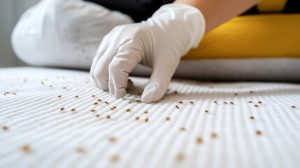
Understanding What Pest Inspections Involve
A pest inspection is a thorough assessment of a property to identify current or potential pest activity. It focuses on areas where pests are likely to enter, hide, or cause damage. Inspections typically evaluate both the interior and exterior of a structure, including foundations, walls, roofs, and surrounding environments.
Regular inspections are not limited to identifying visible pests. They also assess conditions that attract pests, such as moisture buildup, structural gaps, and sanitation issues. This proactive approach ensures that potential problems are addressed before infestations take hold.
Why Pest Inspections Are Essential for Property Protection
Pests can cause extensive damage without immediate detection. Many pests live and breed in hidden areas, allowing infestations to grow unnoticed. Regular pest inspections help uncover these issues early, reducing the risk of widespread damage.
Property protection goes beyond maintaining appearances. Structural components, insulation, wiring, and plumbing are all vulnerable to pest-related damage. Inspections act as a safeguard, preserving the integrity and safety of a property over time.
Preventing Structural Damage Through Early Detection
One of the most significant benefits of regular pest inspections is the prevention of structural damage. Certain pests feed on building materials, weakening essential components such as beams, flooring, and walls. Over time, this damage can compromise the stability of a structure.
Early detection allows for targeted intervention before damage becomes extensive. Addressing pest activity at an early stage minimizes repair costs and helps maintain the long-term durability of the property.
Protecting Indoor Air Quality and Health
Pests are known carriers of allergens, bacteria, and contaminants. Their droppings, nesting materials, and shed skins can negatively impact indoor air quality. In enclosed spaces, this can lead to respiratory issues and allergic reactions.
Regular pest inspections help identify these risks early, reducing exposure and supporting healthier indoor environments. By preventing infestations, inspections contribute to improved air quality and overall occupant well-being.
Identifying Hidden Entry Points
Pests often enter properties through small, overlooked openings. Cracks in foundations, gaps around doors and windows, and utility penetrations are common access points. Once inside, pests can spread quickly throughout the structure.
Pest inspections focus on identifying and addressing these vulnerabilities. Sealing entry points not only prevents infestations but also improves energy efficiency and structural resilience.
The Role of Inspections in Moisture Control
Moisture is a key attractant for many pests. Leaking pipes, poor drainage, and condensation create favorable conditions for infestation. Left unaddressed, moisture issues can also contribute to mold growth and structural deterioration.
Regular pest inspections include moisture assessments, helping property owners identify and resolve underlying problems. Effective moisture control reduces pest activity while protecting building materials and indoor environments.
Preserving Property Value Over Time
A well-maintained property retains its value and appeal. Pest damage can significantly reduce market value, especially if infestations go undetected for long periods. Visible damage, odors, and health concerns can deter potential buyers or tenants.
Regular pest inspections demonstrate proactive property management. They help maintain a property’s condition, ensuring that minor issues are resolved before they impact value or reputation.
Supporting Preventive Pest Management
Preventive pest management focuses on stopping infestations before they begin. Regular inspections are the foundation of this approach. By monitoring conditions and pest activity, inspections provide valuable insights that guide preventive measures.
Preventive strategies are often more cost-effective and less disruptive than reactive treatments. Inspections allow property owners to implement targeted solutions that address risks without unnecessary intervention.
Reducing Long-Term Maintenance Costs
Ignoring pest activity can lead to costly repairs and extensive treatments. Structural damage, contaminated materials, and repeated infestations all increase maintenance expenses. Regular pest inspections help avoid these outcomes.
By catching problems early, inspections reduce the need for major repairs and intensive pest control efforts. Over time, this results in significant cost savings and more predictable maintenance planning.
Enhancing Safety for Occupants
Pests pose safety risks beyond structural damage. Rodents can chew through wiring, increasing the risk of electrical hazards. Other pests may cause bites, stings, or allergic reactions.
Regular inspections help identify these threats early, allowing for timely intervention. Protecting occupants from potential hazards is a key aspect of responsible property management.
Pest Inspections for Residential Properties
For residential properties, regular pest inspections provide peace of mind. Homeowners often overlook early signs of pest activity, especially when pests remain hidden. Inspections ensure that homes remain safe, comfortable, and well-protected.
Routine inspections also educate homeowners about preventive practices. Simple actions such as proper sanitation, moisture control, and maintenance can significantly reduce pest risks.
Pest Inspections for Commercial and Shared Spaces
Commercial properties and shared spaces face unique challenges due to higher foot traffic and diverse usage. Regular pest inspections help maintain cleanliness, safety, and compliance with health expectations.
In these environments, inspections support uninterrupted operations. Addressing pest issues early prevents disruptions, reputational damage, and costly closures.
Seasonal Considerations for Pest Inspections
Pest activity often fluctuates with seasonal changes. Some pests seek shelter during colder months, while others become more active in warmer conditions. Regular inspections account for these patterns.
Seasonal inspections allow property owners to prepare for changes in pest behavior. This proactive approach reduces the likelihood of sudden infestations during peak activity periods.
Documentation and Ongoing Monitoring
Documentation is an important component of regular pest inspections. Keeping records of findings, recommendations, and follow-up actions helps track trends and evaluate effectiveness.
Ongoing monitoring ensures that preventive measures remain effective over time. It also supports informed decision-making, allowing adjustments as conditions change.
The Limitations of Reactive Pest Control
Reactive pest control focuses on addressing infestations after they occur. While sometimes necessary, this approach often results in higher costs and greater disruption. Regular inspections shift the focus to prevention and early intervention.
By identifying risks before infestations develop, inspections reduce reliance on reactive measures. This proactive strategy leads to more sustainable and effective pest management.
Integrating Pest Inspections Into Property Maintenance
Pest inspections should be an integral part of routine property maintenance. Coordinating inspections with other maintenance activities ensures comprehensive property care.
This integrated approach improves efficiency and reduces the likelihood of overlooked issues. Pest inspections complement other preventive measures, creating a well-rounded property protection strategy.
Long-Term Benefits of Regular Pest Inspections
The long-term benefits of regular pest inspections extend beyond immediate problem-solving. Inspections promote healthier living environments, protect structural integrity, and support consistent property value.
They also foster a proactive mindset, encouraging ongoing maintenance and awareness. Over time, this approach results in fewer emergencies and greater confidence in property management decisions.
Why Consistency Matters
Consistency is key when it comes to pest inspections. Irregular or infrequent inspections may miss early signs of infestation. Regular scheduling ensures continuous protection and timely intervention.
Consistent inspections also provide a clearer picture of pest activity trends, allowing for more effective preventive planning.
Regular pest inspections are an essential component of property protection. They help identify hidden risks, prevent costly damage, and support healthier living and working environments. By focusing on early detection and prevention, inspections offer a proactive solution to one of the most common threats to property integrity.
Investing in regular pest inspections is an investment in long-term safety, value, and peace of mind. A proactive approach today helps ensure a secure and well-maintained property for years to come.